

Where the effort goes sideways
Most workplace mental health programming shares two design flaws: it happens once, not as part of regular office programming, and it happens "at" people instead of being participatory.
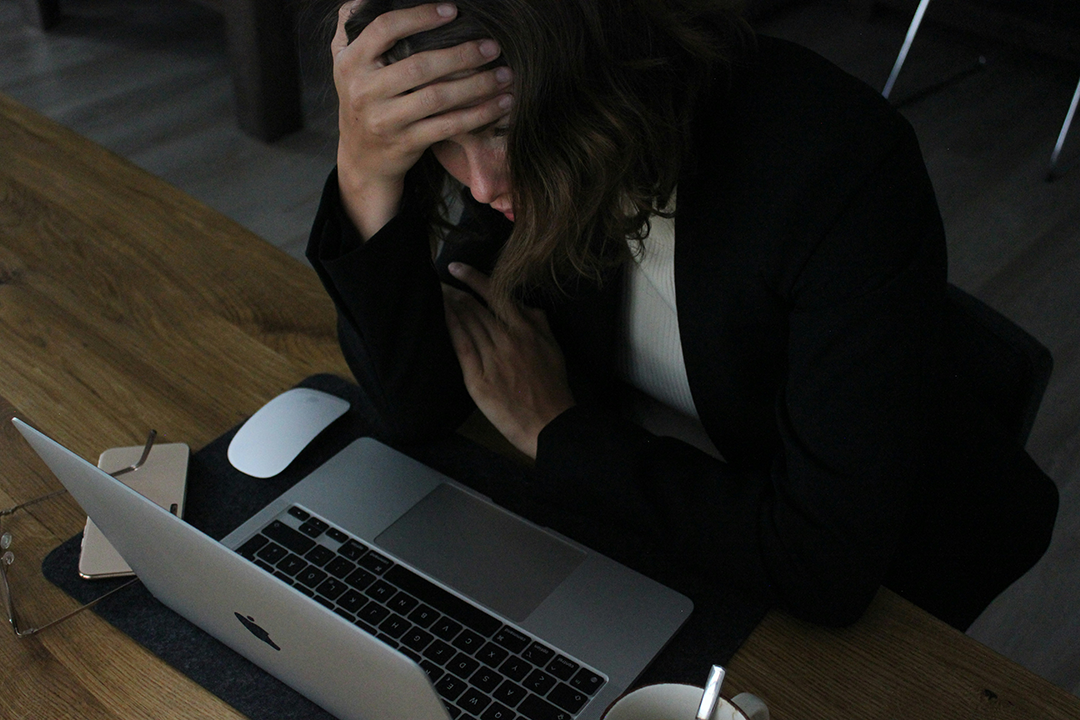
The single speaker event with no follow-up. The webinar recording nobody rewatches. The Notion page of resources that relies on a burned-out employee to go find help on their own initiative — which is precisely what burnout makes hardest. These formats are informational, and that's it. SHRM's 2025 workplace mental health research found nearly one third of U.S. employees report frequent stress at work, with workload as a primary driver. A lunch-and-learn doesn't touch workload, and it doesn't touch how anyone feels at 3pm on a Wednesday.
The result shows up in the metrics HR leaders quietly dread: low sign-ups, lower completion, and a widening gap between what leadership believes it's providing and what employees say they're experiencing.
Your team can already recite the advice
Ask any employee whether burnout is bad for them. They know. They've read the articles, sat through the training, and nodded along to the town hall segment.
Knowing hasn't made anyone feel better on a Tuesday afternoon. Information transfers fine; relief doesn't transfer at all. It has to be experienced, in the body, during the workday, where the stress actually lives. Until something in the employee's environment or energy physically shifts, the program remains an abstraction they agree with and don't use.
What the programs that work have in common
When we look at the mental health efforts that employees actually talk about afterward, four traits keep appearing.
They recur
Support becomes a rhythm rather than an event — something employees can count on, not a one-off they forget by Friday.
They require participation
Doing something changes state in a way that watching something can't. The body has to be in it.
They happen together
Relief is visible and normalized across the team — not hidden in a browser tab or a private EAP call.
They pay off in real time
An employee should feel measurably different walking out than they did walking in — not be promised a benefit that arrives someday.
It's more fun to do a yoga class or make-and-take essential oil session with your marketing team than to read pamphlet copy telling you to stretch more.
What this looks like in a real office
This is the case for experiential wellness: build the environment instead of describing it.
Guided Breathwork
Drops the room's collective heart rate before the afternoon sprint — ten minutes that change how the rest of the day feels.
Recovery Lounge
Compression boots, cold towels, and silence — the first real break a manager has had all week, delivered at their office.
MOOD Bar & Ear Seeding
Turns a hallway into a place people linger and talk to coworkers they don't share meetings with.
At a two-day activation we ran for a global tech client's Austin office this spring, more than 235 employees came through experiences like these. The feedback wasn't "great information." It was "I feel better."
Formats like our Workplace Reset Series exist because of the recurrence problem: a standing monthly reset gives the program the consistency a one-off can never deliver, and gives employees something to count on.
The better planning question
World Mental Health Day lands on October 10, and calendars are being built for it now. The default question is "What should we offer?" That question produces webinars.
The better question is: "What will our team physically feel, and will they feel it again next month?" Answer that one first, and participation takes care of itself — because people return to things that work on them.
If your mental health programming is informational but doesn't produce results, it's worth rethinking the format before the next budget cycle. Swift Fit Events designs experiential wellness — from breathwork and Recovery Lounges to the recurring Workplace Reset Series — built so employees feel the difference the same day.
Plan your Q4 mental health programming
Build an experience your team will physically feel — and want to come back to.
Find Your Experience →Sources
- Gallup — Global Employee Engagement Continues Decline (Apr 2026)
- SHRM — The AI Paradox: Higher Productivity, Higher Stress (May 2026)
